
Living in two places sounds simple until you have to move part of a household twice a year. Winters in Miami and summers in New York, New Jersey or Boston mean two homes to stock, two homes to close up and a lot of decisions about what travels with you.
This guide covers the logistics of snowbird moving: when snowbird season in Florida runs, when to book, what to keep in each home, how partial moves work, what to do with your things in the months you are away and how to close up and reopen a Miami home. It also covers cars, mail and a short note on residency.
When Snowbird Season in Florida Runs
There is no official calendar, but the pattern is familiar. Most snowbirds in Florida head south in the fall, once the Northeast turns cold, and arrive between October and the winter holidays. They head back north in spring, often between March and May, when the weather up north warms and Miami starts to heat up.
That timing matters for two reasons:
- Demand clusters. Many seasonal residents move in the same few weeks, both on the way south and on the way north. Moving dates fill up.
- Hurricane season covers your months away. The National Hurricane Center puts the Atlantic hurricane season between June 1 and November 30. If you leave Miami in spring and come back in late fall, your Florida home sits empty for nearly the whole season.
When to Book Your Seasonal Move
Plan the move like a trip you take every year. A simple rule: start planning six to eight weeks before your travel date, and earlier if you need to move on a weekend, at the start or end of a month, or around a holiday.
When you call movers, have these details ready:
- Both addresses, with floor numbers and elevator access.
- A room by room list of what is going, not the whole house.
- Any building rules at either end, such as elevator reservations or move hours.
- Whether anything needs to go to storage instead of the other home.
- Your flexible date range, if you have one.
A Miami to Northeast move is an interstate trip, so ask about long distance moving rather than a local service. Ask your mover how pickup and delivery windows work, and whether your items ride with other shipments. If you are making the trip south for the first time, our guide to moving from NYC to Miami covers the full one way move.
What to Bring vs. What to Keep in Each Home
The goal is to move as little as possible. Every item you can leave in place is an item you never pack, load or unpack again. Most snowbirds land on three groups.
Keep a Full Set in Each Home
- Bedding, towels and basic linens.
- Kitchen basics: pots, pans, dishes, utensils and a coffee maker.
- Toiletries and cleaning supplies.
- Phone chargers, a basic tool kit and a first aid kit.
- Furniture sized for each space.
Bring Back and Forth
- Clothes for the season you are heading into.
- Laptops, tablets and work files.
- Jewelry and personal keepsakes you want close.
- Prescription medications and medical devices.
- Hobby gear you use in both places, such as golf clubs or a favorite bike.
Keep in One Place Only
- Heavy winter coats and boots, which stay up north.
- Beach chairs, pool gear and outdoor furniture, which stay in Miami.
- Large items that are hard to move, like pianos or antique furniture.
Before each move, walk through the home you are leaving and ask one question about every item: will I miss this in the next six months? If not, it stays.
How a Partial Household Move Works
Most seasonal moves are partial moves. You are not emptying a home. You are moving a set of boxes, a few pieces of furniture and sometimes a piece of art or a favorite chair.
A few habits make partial moves smoother:
- Label by destination, not by room. Mark each box with the home it is going to, then the room. It prevents mix ups when both homes have a “primary bedroom.”.
- Keep a running inventory. A shared note or spreadsheet listing what lives where saves you from buying a third set of the same thing.
- Use the same boxes each trip. Sturdy plastic bins with lids hold up better than cardboard over many trips.
- Separate a carry bag. Medications, documents, keys and a change of clothes travel with you, not on the truck.
If you would rather not pack at all, our packing services can handle the boxes and fragile items so you can focus on closing up the house.
Storage for the Months Away
Storage helps snowbirds in a few common situations:
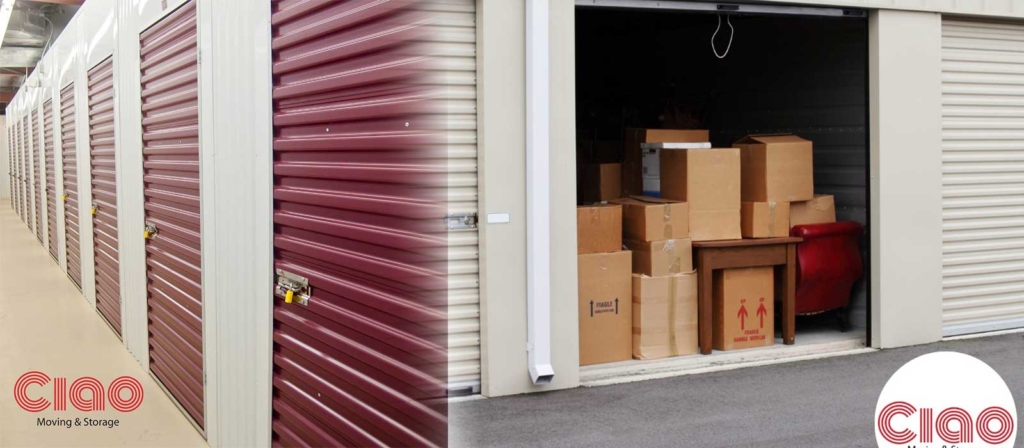
- You rent your Miami place for part of the year and need it cleared.
- You downsized up north and the new space does not fit everything.
- You want valuables out of an empty home during hurricane season.
- You are between homes while you buy or sell a second home.
We offer storage in Miami as part of our moving services, so items can go from your home to storage and back on your schedule. Before you store anything, ask any storage provider how access works, how items are inventoried and what you need to do to schedule a delivery when you return.
For art, jewelry, wine and other high value items, see our guide to storing your valuables while you are away.
Closing Up Your Miami Home for the Summer
Leaving a Florida home empty from spring to fall means leaving it empty through heat, humidity and storms. Use this checklist in the last week before you head north.
| Area | What to Do |
|---|---|
| Air conditioning and humidity | Set the thermostat or a humidity control so the home does not sit closed up in full summer heat. Ask an HVAC technician what settings suit your home. |
| Water | Shut off the main water supply if you can, or at least the supply to washers and ice makers. Turn off or adjust the water heater. |
| Kitchen | Empty the fridge and pantry of anything that can spoil or attract pests. Leave the fridge door propped open if you unplug it. |
| Outdoor items | Bring in patio furniture, plants, grills and anything that could blow around in a storm. |
| Windows and shutters | Know how your shutters or impact windows work, and who will close shutters if a storm is forecast. |
| Valuables and documents | Move important papers, jewelry and small valuables to a safe place or take them with you. |
| Home watch | Arrange for a neighbor, building staff or a home watch service to check the property and send photos after storms. |
| Building rules | Ask your condo association or HOA about their hurricane and vacancy rules, such as balcony clearing or key access. |
High rise owners have extra steps around balconies, glass and building access. Our guide on hurricane proofing a Brickell condo walks through them.
Reopening Your Miami Home in the Fall
You may arrive before hurricane season ends on November 30, so treat the first week as a check in, not a vacation.
- Walk through every room and look for leaks, water stains, mold or pest activity.
- Turn the water back on slowly and check under sinks and around appliances.
- Run the AC and check that it cools and drains properly.
- Restock the fridge and pantry.
- Bring outdoor furniture back out only after the storm threat has passed.
- Schedule any storage delivery for a day or two after you arrive, once the home is ready.
The same logic applies up north in reverse. When you close up a Northeast home for winter, the risk is cold rather than heat, so ask a plumber how to protect pipes from freezing while the house is empty.
Shipping a Car Between Miami and the Northeast
Many snowbirds want their own car in both places. You have three main options:
- Drive it yourself. The trip down the East Coast takes a couple of long days or more, with an overnight stop or two.
- Hire an auto transport company. Open carriers are the common choice. Enclosed carriers suit classic or high value cars.
- Keep a car in each home. Some owners find this simpler than moving one car twice a year.
If you ship a car, book it on its own schedule and plan for it to arrive on a different day than your household items. Remove personal belongings before pickup, note the mileage and take dated photos of every side of the car. Ask the transport company what it will and will not carry inside the vehicle.
Forwarding Your Mail Between Two Homes
The U.S. Postal Service offers temporary forwarding for seasonal moves. Under the Postal Service’s Domestic Mail Manual, a first temporary change of address runs from 15 days to six months (185 days). You can extend it with a second order, up to a total of 12 months (364 days). Every temporary order needs a start date and an end date.
Snowbirds usually set up a new temporary forward each time they switch homes. A few tips:
- File your forward a week or two before you leave so mail does not pile up.
- Set the end date to match your expected return, then adjust if plans change.
- Move bills, bank statements and subscriptions to paperless delivery where you can.
- Give your condo or building office your dates so they know when to expect you.
A Short Note on Florida Residency and Homestead
Some snowbirds decide to make Florida their legal home. That choice affects taxes and property tax benefits, so keep it simple and get advice.
Florida’s homestead exemption applies only to your permanent residence. According to the Miami-Dade Property Appraiser, you must own the property and have it as your permanent residence as of January 1, and the application is due by March 1. Proof can include a Florida driver’s license, voter registration or a recorded Declaration of Domicile.
Changing your legal residence also affects how your former state treats you for income tax. Rules differ by state and depend on your full situation. Talk to a tax professional in both states before you file anything.
Snowbird Moving FAQs
When Do Snowbirds Come to Florida?
Most arrive between October and the winter holidays and head back north between March and May. Exact timing depends on weather, family plans and work.
Do I Need to Move Furniture Every Season?
Usually not. Most snowbirds keep a furnished home in each place and only move clothes, personal items and a few favorite pieces. That keeps each move small.
Should I Put Things in Storage While I Am Away from Miami?
Storage makes sense if you rent out your Miami home, have limited space or want valuables out of an empty home during hurricane season. Ask how access and delivery work before you commit.
How Long Can USPS Forward My Mail for a Seasonal Move?
A temporary forward runs from 15 days to six months at first. You can extend it with a second order, up to 364 days in total.
Can My Mover Ship My Car Too?
An auto transport company usually ships the car on its own schedule. Plan for your car and your household items to arrive on different days.
Plan Your Next Seasonal Move with Ciao Moving & Storage
Ciao Moving & Storage helps seasonal residents move between Miami and the Northeast with long distance moving, packing and storage for the months away. Tell us what is going, what is staying and when you need it. Get your free moving quote and plan your next season with one less thing to worry about.