
Moving during hurricane season in South Florida is common. Leases end in summer, school starts in August, and jobs do not wait for calm weather. A storm can still change your plans with a few days of notice, so the goal is not to avoid the season. The goal is to build a move that can bend without breaking.
This guide covers when the season runs and peaks, which months carry more risk, how to book with room to adjust, what to ask your mover, and a 7 day, 72 hour and 24 hour checklist for the week a storm shows up on the map. It works for a local move across Miami and for a long distance move into or out of South Florida.
When Is Hurricane Season in Florida?
The Atlantic hurricane season runs from June 1 to November 30, according to the National Hurricane Center. The peak of the season falls around September 10, and most activity happens between mid August and mid October.
That gives you a rough risk map for planning a move:
| Months | Storm Risk | What It Means for Your Move |
|---|---|---|
| June and July | Lower, but storms do form | Watch the forecast and keep a backup date in mind. |
| Mid August to mid October | Highest | Book flexible dates, pack early and plan for delays. |
| Late October and November | Falling, but the season is still open | Keep checking the tropics until November 30. |
| December to May | Outside the official season | Weather is rarely the main scheduling concern. |
If a lease or a closing sets your dates, you cannot always dodge the peak. You can still plan for it.
Book Your Move with Flexible Dates
The single most useful step is to treat your moving day as a plan with a backup. A few ways to do that:
- Pick a first choice date and a second choice date a few days later.
- Avoid booking the last day of your lease if you can. Leave a buffer of two or three days.
- Ask your landlord or the buyer whether a short extension is possible if a storm hits.
- For a long distance move, give yourself extra days on the delivery end too. Roads and fuel can be affected well outside the storm’s path.
- Book early. Summer is a busy moving season, and open dates shrink fast when people reschedule after a storm.
If your old and new homes do not line up, short term storage can bridge the gap so a weather delay on one end does not force everything to move at once.
Questions to Ask Your Mover About Storm Delays
Get clear answers to these questions before you sign, and get them in writing.
- What happens to my booking if a tropical storm or hurricane watch is issued for Miami-Dade?
- Who makes the call to postpone, and how much notice will I get?
- Is there a charge to change my date because of weather?
- If my move is postponed, how soon can you offer a new date?
- If my belongings are already loaded when a storm approaches, where will they be kept until delivery?
- For a long distance move, how will you update me if the truck is delayed on the road?
- Who is my contact during a storm, and how do I reach them if the power is out?
These answers matter more than the weather forecast a month out. A clear plan from your mover lets you make decisions fast when the cone of a storm starts to shift.
Know Your Evacuation Zone Before Moving Day
Miami-Dade County uses storm surge planning zones labeled A through E. Zone A faces the greatest storm surge risk, starting with Category 1 storms, and Zone E is at risk from Category 5 storms. The county evacuates zones based on a storm’s track and projected surge, not only its category. You can look up any address with the county’s Know Your Zone tool on the Miami-Dade storm surge zones page.
Check the zone for both your current home and your new one. A move from an inland neighborhood to a waterfront condo can put you in a higher risk zone for the first time. The county also advises mobile home residents and people who rely on electrically powered medical equipment to evacuate whenever a hurricane evacuation order is issued, no matter the zone.
Sign up for Miami-Dade Alerts so evacuation orders reach your phone, even if you are mid move and have not set up your new address yet.
Watches, Warnings and What They Mean for a Move
The National Hurricane Center defines its alerts by timing. The National Hurricane Center issues a hurricane watch 48 hours before it expects tropical storm force winds, and a hurricane warning 36 hours ahead. Tropical storm watches and warnings follow the same 48 and 36 hour pattern for weaker storms.
For a move, a watch is your signal to talk with your mover and decide. A warning usually means the window to load and drive safely is closing. Do not wait for the warning to start the conversation.
Your Hurricane Season Moving Checklist
Knowing how to prepare for hurricane season is half the job. When a storm is in the forecast for the week of your move, work through this list in order.
7 Days Before Your Move
- Check the National Hurricane Center outlook each morning.
- Confirm your backup date with your mover.
- Look up the evacuation zone for both addresses.
- Finish packing rooms you use least, so you are ready to go early if needed.
- Refill prescriptions and pick up any medical supplies.
- Take photos or video of your belongings and the condition of your current home.
- Confirm elevator and loading dock reservations, and ask your building how it handles moves during a storm warning.
72 Hours Before Your Move
- Call your mover and agree on a decision point, such as a set time the day before.
- Pack a go bag with clothes, medications, chargers and documents for each person.
- Gather water, nonperishable food, flashlights and batteries.
- Fill your car’s gas tank and charge a backup battery for your phone.
- Seal electronics and paperwork in plastic bins or bags.
- Plan where you will stay if you must leave the old home before the new one is ready.
24 Hours Before Your Move
- Make the final go or no go call with your mover.
- Move outdoor furniture, plants and loose items inside or onto the truck.
- Keep pets, kids and anything fragile away from the loading path.
- Charge every phone, laptop and power bank.
- Share your plan and contact numbers with family.
- Check your evacuation zone status again before you go to bed.
For a full kit list, the Ready.gov emergency supply kit recommends at least one gallon of water per person per day for several days, a battery or hand crank radio, a first aid kit and a manual can opener, among other items.
Protect Your Belongings in Transit and in Storage
Rain and humidity do more damage during a summer move than wind does. A few habits help:
- Use sturdy boxes and tape every seam. Wet cardboard fails fast.
- Wrap mattresses, upholstered furniture and rugs in plastic covers.
- Pack electronics in their original boxes or in padded plastic bins.
- Keep books, photos and paperwork in sealed plastic containers, not cardboard.
- Lift boxes off the floor on moving day so standing water cannot reach them.
- Label anything that must stay upright or dry.
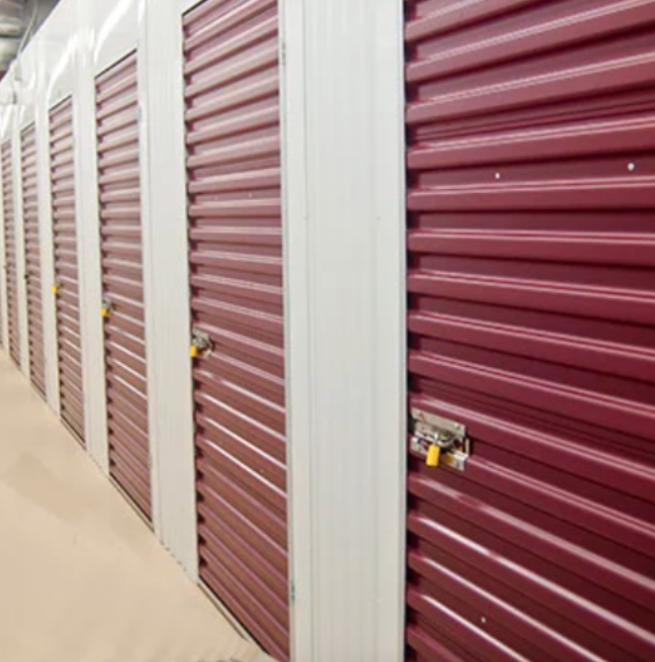
Our professional packing services can take this work off your list if a storm compresses your timeline. If you need to hold items between homes, ask any storage provider how the space is protected from water and humidity, and where your items will sit during a storm.
Moving into a high rise? Our guide on how to hurricane proof a Brickell condo covers the steps to secure a condo after you arrive.
Documents and Valuables to Keep with You
Some things should never ride on the truck. Keep these in your car or carry on bag, sealed in a waterproof pouch:
- Passports, driver’s licenses and birth certificates
- Lease, closing papers and your moving contract
- Insurance policies and the contact numbers for each carrier
- Medical records and prescriptions
- Bank and credit card information
- Jewelry, cash and small valuables
- Laptops, hard drives and phone chargers
- Spare keys for both homes and your car
Ready.gov also suggests saving copies of key documents electronically. A cloud folder you can open from your phone is useful if your paper copies get wet or lost.
New to the state? Review your home and flood coverage before the season peaks. Our moving to Florida checklist covers what to set up after you arrive.
What to Do If a Storm Is Forecast on Moving Day
If a storm is heading toward South Florida the day of your move, safety comes first. Here is how to handle it:
- Follow official orders. If your zone is under an evacuation order, leave. The move can wait.
- Call your mover early. Agree on whether to load, delay or split the move into two days.
- Do not load in high wind or lightning. Ramps, dollies and open truck doors are dangerous in strong gusts.
- Protect what is already packed. Move boxes away from windows and doors, and off the floor.
- Keep your go bag and documents with you, not in the truck.
- Tell your landlord, building manager or buyer about the delay in writing.
- Reschedule only after the storm passes and roads are clear. Flooded streets and downed lines can linger for days.
For local moving in Miami, a one or two day delay is often enough. For long distance moving, a storm along the route can add time even if Miami stays clear, so keep checking conditions on the road ahead.
When Is the Best Time to Move to Miami?
If you have a choice, the months outside hurricane season, December through May, carry the least storm risk. Inside the season, June and July are calmer than the peak from mid August to mid October. Late fall gets quieter, but the season does not close until November 30.
That said, the right month depends on your lease, school calendar and job. A summer move can go well with flexible dates, early packing and a clear plan with your mover.
Frequently Asked Questions
Is It Safe to Move During Hurricane Season in Florida?
Yes, many people move between June and November without trouble. Most days are storm free. The key is to watch the forecast, book a backup date and agree on a plan with your mover before a storm forms.
What Is the Riskiest Time to Move in South Florida?
The National Hurricane Center lists September 10 as the peak of the Atlantic season, with most activity from mid August to mid October. Plan extra flexibility for moves in that window.
How Do I Find My Evacuation Zone in Miami-Dade?
Use the county’s Know Your Zone tool on the Miami-Dade storm surge zones page. Enter both your current and new addresses, since the zones can differ.
Should I Cancel My Move If a Hurricane Watch Is Issued?
Not always. A watch means hurricane conditions are possible within about 48 hours. Call your mover, review the forecast and decide together whether to move early, delay or split the move.
What Should I Keep with Me Instead of Packing It on the Truck?
Keep IDs, contracts, insurance papers, medications, valuables, chargers and spare keys with you in a waterproof bag. You may need them if you have to evacuate or wait out a delay.
Planning a move between June and November? Ciao Moving & Storage helps families with local and long distance moves across South Florida. Tell us your dates and your backup dates, and we will help you build a plan that can adjust to the weather. Get your free moving quote.