
Moving into a condo in Miami is not like moving into a house. Before a single box goes up, the building wants paperwork, a reserved time slot, a booked elevator and proof that your movers meet its requirements. Miss one step and your crew can end up waiting in the street while the clock runs.
This Miami high rise moving checklist walks you through each step in order, from the first call to the association office to the last trip down the service elevator. It works for Brickell, Downtown Miami, Sunny Isles Beach, Miami Beach and any other building with a front desk, a loading dock and a set of rules. It works for moving out, too.
Why High Rise Moves Need Extra Planning
A condo tower is a shared space. Dozens or hundreds of residents use the same elevators, hallways and driveway. To keep things running, most associations and building managers set rules for moves. Those rules usually cover:
- Approval of new owners or tenants before move in.
- Which days and hours moves are allowed.
- Elevator reservations and protective padding.
- Where the truck can park and load.
- Paperwork from your movers, including a certificate of insurance.
- Deposits or fees to cover possible damage to common areas.
Every building writes its own version. Two towers on the same block can have different rules. That is why the first step is always to get the rules in writing from your own building.
Your Condo Moving Checklist by Timeline
Use this table as a quick overview. The sections below explain each step.
| When | Task |
|---|---|
| 6 to 8 weeks out | Request the building’s move rules and start any association application |
| 4 to 6 weeks out | Book your movers and confirm they can meet the building’s paperwork needs |
| 3 to 4 weeks out | Reserve the move date, time window and service elevator |
| 2 to 3 weeks out | Send the building’s COI request to your movers and plan truck parking |
| 2 weeks out | Measure doors, hallways and elevators for large furniture |
| 1 week out | Pay any required deposit, confirm everything with the front desk and finish packing |
| Moving day | Check in early, confirm elevator padding and keep the loading area clear |
| After the move | Walk the common areas with staff and ask about the deposit refund |
Step 1: Get the Rules and Start Association Approval
Call or email the management office as soon as you know your move date. Ask for the move in rules (or move out rules) and any forms. Many Miami condo associations require approval of new owners or tenants before they can move in. That process can include an application, a background check, an interview or a board review, and it can take time.
If you are renting, ask your landlord or the unit owner to start the paperwork early. Some buildings will not schedule a move until the approval is complete.
Florida law gives condo unit owners a right to inspect the association’s official records, and those records include a copy of the current rules. Under Section 718.111, Florida Statutes, a written request to the board triggers a 10 working day window for the association to make records available.
Questions to ask the office:
- Is an approval or move in application required, and how long does it take?
- Which days and hours are moves allowed?
- How far ahead must the move and elevator be reserved?
- Is there a move deposit or fee, and how is it paid?
- What does the building need from the moving company?
- Where should the truck park and load?
Step 2: Reserve Your Move Date, Time Window and Elevator
Most high rises only allow moves during set hours, often on weekdays, and many limit or block moves on weekends and holidays. Some buildings allow only one move at a time. That means popular dates, like the end of the month, can fill up fast.
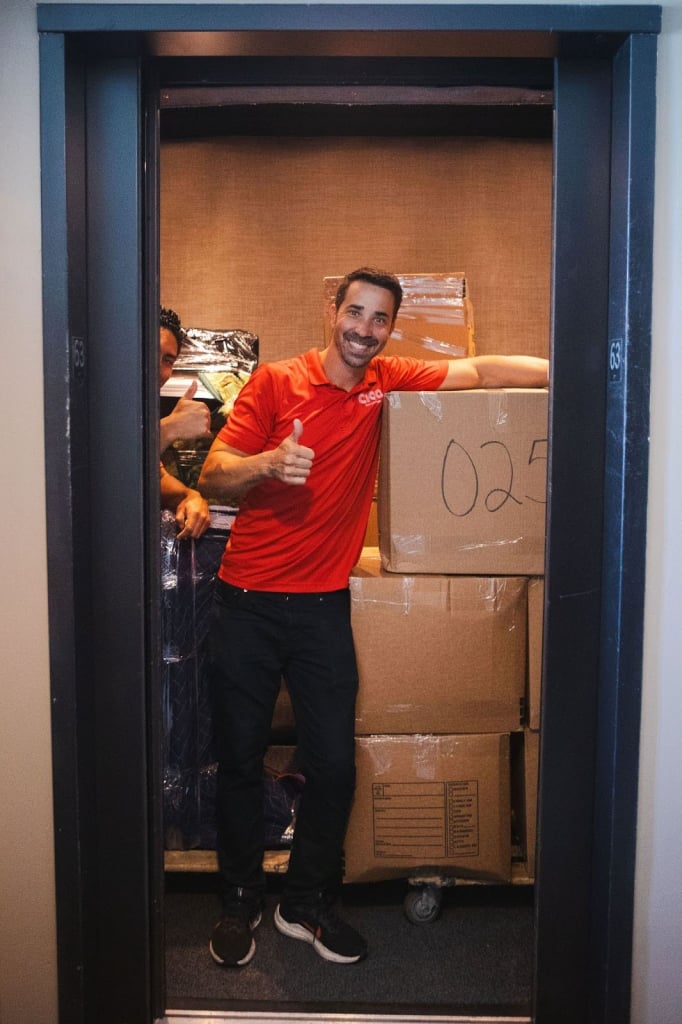
When you book, get these details confirmed in writing:
- The exact date and start time.
- When the window ends and whether the crew must be fully out by then.
- Which elevator is yours and whether it is reserved for your move only.
- Who sets up the elevator padding, and when.
- Whether the window can be extended if things run late.
An elevator reservation for moving is often the single most important booking of the day. A dedicated service elevator lets the crew keep a steady pace. A shared elevator means waiting for residents at every floor. Ask the building to install pads on the walls and floor before the crew arrives, or ask if your movers should bring their own.
Plan to be finished before the cutoff. If a crew has to stop mid move, you may need a second reservation on another day.
Step 3: Plan the Loading Dock, Service Entrance and Truck Parking
Many towers require movers to use a loading dock or service entrance and keep the main lobby off limits. Ask where that entrance is, how tall the clearance is and how close a truck can get. Some garages are too low for a moving truck, so the truck may need to park at the dock, in a marked loading zone or on the street.
Street parking in dense areas like Brickell and Downtown Miami can be tight. If there is no dock, ask the building how other residents handle it. Give your mover the building’s address, dock location and any height or length limits ahead of time so they can plan the right truck. If you are looking for local help, our Brickell movers and Downtown Miami movers pages explain how we handle moves in those neighborhoods.
Also tell the front desk and valet when the truck is coming. A clear driveway saves time at the start of the day.
Step 4: Handle the Certificate of Insurance Request
Most condo buildings ask the moving company for a certificate of insurance, or COI, before move day. A COI is a document from the mover’s insurance provider that shows the policy is in force. Buildings use it to protect the association if something in a common area gets damaged.
Each building has its own COI requirements. Many list the exact wording, the names of the association and management company, and the minimum limits they want to see. Ask the management office for its sample COI or written requirements, then send it straight to your mover. Do this at least a week before the move, since some buildings will not let a truck unload without an approved certificate on file.
For a full walkthrough of what a COI includes, how to request one and common mistakes, read our guide to certificates of insurance for movers.
Step 5: Ask About Move Deposits and Building Fees
Many associations charge a move fee, collect a refundable damage deposit, or both. Rules vary widely, so ask:
- Whether the charge is a fee, a deposit or both.
- How and when it must be paid.
- Whether a deposit is refunded after an inspection.
- Who walks the common areas before and after the move.
Take photos of the hallway, elevator and lobby before and after the move.
Step 6: Measure Doors, Hallways and Elevators
Large furniture is where high rise moves get stuck. A sofa that fit through a house door may not fit in a service elevator or turn the corner in a narrow hallway.
Measure these before move day:
- Elevator door width and height
- Elevator cab depth, width and ceiling height
- Unit entry door width
- Hallway width at any tight turns
- Balcony or terrace doors, if a piece must go through them
Then measure your biggest pieces: sofas, sectionals, headboards, dining tables, armoires and mattresses. Compare the numbers. If something is close, ask your mover whether it can be taken apart. Legs, headboards and table bases often come off. Our furniture moving page explains how we handle bulky and delicate pieces.
Some buildings also limit elevator weight or heavy items like pianos and safes. Ask before you book.
Step 7: Pack for Elevator Trips
In a high rise, every item rides the elevator. Good packing means fewer trips and a faster move.
- Use uniform box sizes so they stack on dollies.
- Keep boxes at a weight one person can lift.
- Label each box with the room and a short list of contents.
- Pack fragile items with extra padding, since carts bump in tight spaces.
- Keep hallways in your unit clear so the crew has a straight path.
- Pack a first night bag with documents, keys, chargers and medicine.
If time is short, our packing services can handle part or all of it, so boxes are ready when the elevator window opens.
Moving Out of a Miami Condo
Moving out follows the same steps. You still need to reserve the elevator and time window, give your movers the building’s COI requirements and plan the truck. Many buildings also ask departing residents to return keys, fobs, garage remotes and parking stickers. Ask about the deposit walkthrough before you leave so you are not chasing a refund later.
If you are moving from one tower to another, you are dealing with two sets of rules on the same day. Line up both windows so the crew is not waiting at either end. Coastal buildings, like those our Sunny Isles Beach movers serve, can have their own timing and access details, so check both buildings early.
Sample Moving Day Timeline
Here is how a smooth high rise moving day often runs. Adjust the times to match your building’s window.
- Before the window opens: confirm the elevator is padded and the dock is clear.
- Crew arrives: check in at the front desk or security office.
- First hour: protect floors and doorways in the unit, then start with large furniture.
- Middle of the window: load boxes by room in steady elevator trips.
- Last stretch: final walk through the unit, closets and balcony.
- Before the cutoff: remove pads if required and do a walkthrough with building staff.
For residents who want extra care with fine furniture, art or finished floors, our post on white glove moving in high rise residences explains what that level of service involves.
Frequently Asked Questions
How Far Ahead Should I Make an Elevator Reservation for Moving?
Ask your building as soon as you have a date. Many buildings book on a first come, first served basis, and end of month dates fill quickly. Reserving three to four weeks ahead gives you room to adjust.
What Is a COI, and Who Asks for It?
A certificate of insurance is a document that shows a moving company’s policy is active. The condo association or property manager usually requests it, and your mover sends it to the building before move day.
What Happens If I Skip the Building’s Move Rules?
The building can refuse to let the truck unload, stop the move partway through or keep part of a deposit. You could also face fines under the association’s rules. Following the process is faster than fixing a problem on the day.
Do I Need Association Approval Before Moving Into a Condo in Miami?
Many Miami associations require approval of new owners or tenants, but it depends on the building’s governing documents. Ask the management office early, since approval can take longer than the move itself.
Can I Move on a Weekend?
Some buildings allow it, and many do not. Check your building’s permitted move days and hours before you pick a date or book movers.
Plan Your High Rise Move with Ciao Moving & Storage
A condo move goes well when the paperwork, the elevator and the crew all line up. Ciao Moving & Storage handles local moves across Miami, including high rise and condo moves, along with packing, furniture moving and storage. Share your building’s rules with us and we will plan the day around them. Get your free moving quote today.